
The Buy Now Pay Later (BNPL) industry has exploded globally, with transaction volumes reaching $680 billion in 2025 according to Worldpay’s Global Payments Report. For international students managing tight budgets across multiple currencies, BNPL can seem like a lifeline – but is it always a smart choice?
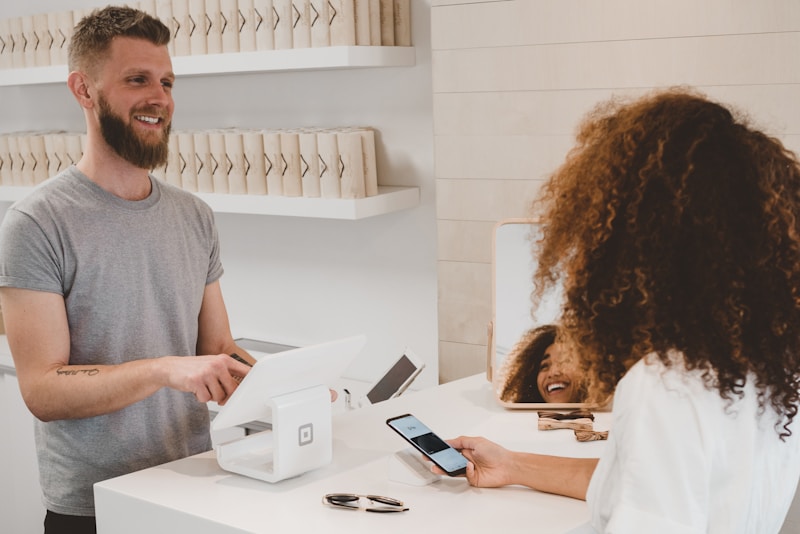
The BNPL Boom Among International Students
A 2025 survey by Morgan Stanley Research found that 68% of international students in major study destinations have used BNPL services at least once, compared to 52% of domestic students. The appeal is obvious:
- Instant gratification – Get what you need now, pay over time
- No credit check – Most BNPL providers don’t require established credit
- Simple approval – Often just requiring a debit card and phone number
- Interest-free periods – Typically 4-6 weeks without interest
Popular BNPL services like Klarna, Afterpay, Affirm, and PayPal Pay in 4 have become ubiquitous at retailers catering to student populations.
2026 Regulatory Changes: Consumer Protection Updates
Recognizing the rapid growth of BNPL and concerns about consumer debt, regulators worldwide have introduced new protections in 2026:
United States
The Consumer Financial Protection Bureau finalized its BNPL oversight rule in January 2026, requiring providers to:
- Conduct affordability assessments for purchases over $500
- Provide clear, standardized disclosure of all fees and penalties
- Report missed payments to credit bureaus (helping and hurting consumers)
- Offer dispute resolution processes similar to credit cards
United Kingdom
The UK’s Financial Conduct Authority now requires BNPL lenders to obtain FCA authorization and conduct proper creditworthiness assessments.
Australia
ASIC’s 2026 BNPL Code of Practice mandates cooling-off periods and limits on concurrent active BNPL agreements for students.

The Hidden Costs of BNPL
While BNPL can be useful, international students need to understand the potential downsides:
1. Late Fees Add Up Quickly
Missing a payment can trigger fees of $7-10 per missed installment. With multiple BNPL plans active, these fees can accumulate rapidly.
2. Impact on Credit Scores
Under 2026 regulations, missed BNPL payments are increasingly reported to credit bureaus. For international students trying to build credit, this can be devastating.
3. Overspending Temptation
The psychology of “four easy payments” can mask the total cost. A $200 purchase becomes $50 x 4, which feels more manageable – leading to increased spending.
4. Currency Exchange Risks
For students funded by family in home countries, currency fluctuations can make scheduled payments unexpectedly expensive.
Responsible BNPL Usage: A Framework for International Students
Used wisely, BNPL can be a helpful budgeting tool. Here’s how to stay in control:
✅ DO: Use BNPL for Planned Purchases
BNPL works best for items you’ve already budgeted for – textbooks, laptops, winter coats – where spreading the cost aligns with your cash flow.
❌ DON’T: Use BNPL for Impulse Buys
If you wouldn’t buy it with cash today, don’t buy it with BNPL. The “four easy payments” framing is designed to bypass your spending inhibitions.
✅ DO: Limit Active Plans
Keep no more than 1-2 BNPL plans active at any time. Juggling multiple payment schedules increases the risk of missed payments.
❌ DON’T: Use BNPL for Recurring Expenses
Rent, utilities, and groceries should never be financed through BNPL. These are ongoing obligations that require stable funding.
Alternatives to BNPL for International Students
Before clicking “Pay in 4,” consider these alternatives:
1. Student Credit Cards
Many banks offer credit cards specifically designed for international students. These build credit history and often provide better consumer protections than BNPL.
2. Installment Loans
For larger purchases, OverseaLoan’s installment credit programs offer structured repayment plans with fixed terms and transparent costs – often at lower rates than BNPL late fees.
3. Emergency Funds
Maintaining a small emergency fund (even $500) can eliminate the need for BNPL for unexpected expenses.
When BNPL Makes Sense
Despite the risks, there are scenarios where BNPL is genuinely helpful:
- Interest-free period utilization – When you have the money but want to keep it earning interest elsewhere
- Smoothing irregular income – If you receive funds monthly but have a quarterly expense
- Building payment history – Some BNPL providers now report positive payment history to credit bureaus
The Bottom Line
BNPL is neither inherently good nor bad – it’s a tool. For international students navigating complex financial situations across borders, the key is intentional usage. Before every BNPL purchase, ask yourself:
- Would I buy this with cash today?
- Am I certain I can make all four payments?
- Have I checked for hidden fees?
- Is this the best financing option available?
If you can answer “yes” to all four, BNPL might work for you. If not, consider alternatives like OverseaLoan’s student-focused installment loans, which offer transparent terms and credit-building benefits.
Financial literacy is a crucial skill for international students. Make informed choices, and your future self will thank you.