The Rise of BNPL Services Among International Students
Buy Now, Pay Later (BNPL) services have exploded in popularity, with global transaction volumes expected to reach significant growth in the coming years. For international students facing high tuition costs and limited income, BNPL can seem like an attractive option for managing expenses. But is it a smart financial tool or a potential debt trap?
How BNPL Works for International Students
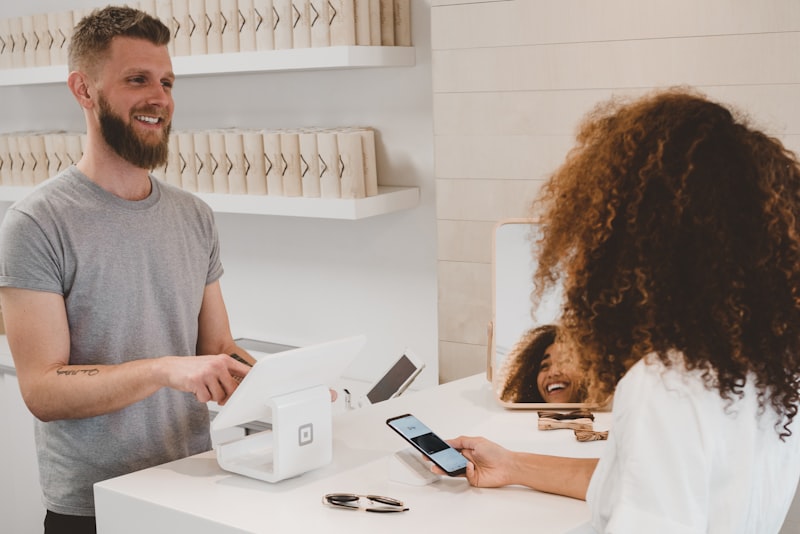
BNPL services like Klarna, Afterpay, and Affirm allow consumers to split purchases into interest-free installments, typically four payments over six weeks. For international students, these services offer several advantages:
- No credit check required: Most BNPL providers only require a debit card and phone number
- Immediate approval: Decisions are made in seconds at checkout
- No interest charges: When payments are made on time
- Budget management: Spreads large purchases over manageable periods
Popular BNPL Use Cases for Students
International students commonly use BNPL for:
- Electronics (laptops, phones, tablets)
- Textbooks and course materials
- Furniture and dorm essentials
- Professional clothing for internships
- Travel expenses during breaks

The Hidden Risks of BNPL
Despite the convenience, BNPL carries significant risks that international students should understand:
1. Late Fees Add Up Quickly
While BNPL is advertised as “interest-free,” late fees can be substantial. A missed payment on a $500 purchase can trigger fees that effectively create a high APR.
2. No Credit Building Benefits
Unlike traditional loans or credit cards, most BNPL services don’t report positive payment history to credit bureaus. This means responsible use won’t help build your US credit score.
3. Overspending Temptation
The ease of BNPL can lead to impulse purchases. Studies have found that BNPL users may be more likely to carry debt compared to non-users.
Regulatory Landscape and Consumer Protection
The BNPL industry is facing increased scrutiny. Recent regulatory developments have proposed new requirements for BNPL providers, including more thorough affordability checks and clearer disclosure of fees. International students should be aware that these services are not currently regulated like traditional credit products, meaning fewer consumer protections.
Alternatives to Consider
Before using BNPL, international students should explore:
- Student credit cards: Some cards are designed specifically for students with no credit history
- Personal loans: Specialized lenders like OverseaLoan offer installment loans with fixed rates and credit-building benefits
- Campus resources: Many universities offer emergency grants or short-term loans
- Part-time employment: On-campus jobs can provide income without affecting visa status
Best Practices for Using BNPL Responsibly
- Set up automatic payments: Ensure you never miss a due date
- Limit concurrent plans: Don’t juggle multiple BNPL payments simultaneously
- Track your commitments: Use a budgeting app to monitor upcoming payments
- Only use for planned purchases: Avoid impulse buys you can’t afford upfront
- Read the fine print: Understand all fees and consequences of missed payments
Conclusion
BNPL can be a useful tool for international students when used responsibly, but it’s not without risks. Before committing to any financing option, consider your overall financial situation, explore alternatives, and ensure you have a clear plan for making payments on time. For larger expenses or ongoing financial needs, consider specialized international student loans that offer structured repayment terms and credit-building benefits.